November 13, 2026
A furnace can operate for years before homeowners notice changes in its heating performance. Some problems are minor, while others suggest that important components are deteriorating. Knowing the difference helps property owners decide whether continued repairs remain practical or whether replacement deserves consideration.
Experienced handyman businesses can help homeowners recognize visible warning signs and coordinate appropriate evaluations with qualified heating professionals. Furnace replacement decisions require more than looking at equipment age or responding to one uncomfortable room. They involve reviewing maintenance history, heating performance, operating conditions, and the extent of necessary repairs.
Evaluating the Furnace's Age and Condition
Reviewing the Installation Date
A furnace's age provides useful context when assessing its remaining service life. Equipment that has operated for many years may experience increasing wear, but age alone does not establish that replacement is necessary. Homeowners should consider the installation date alongside performance, maintenance history, and the condition of major components.
Reviewing the Expected Service Life
According to This Old House, furnaces can remain operational for approximately 20 to 30 years, although recurring failures, unusual noises, uneven heating, higher energy expenses, or rust may justify considering replacement after 15 years. These figures describe possible service-life ranges rather than guarantees.
Reviewing the Exterior Condition
Visible corrosion, damaged panels, and deterioration around equipment connections can indicate that a furnace needs closer attention. Cosmetic wear does not always reflect internal damage, but significant rust or moisture staining warrants professional evaluation. Handyman businesses may identify these visible concerns during broader property maintenance visits and recommend an appropriate heating specialist.
Reviewing the Maintenance History
Service records can reveal whether a furnace has received consistent attention and whether particular problems have occurred repeatedly. Equipment with an extensive repair history may deserve closer examination than a similarly aged system operating without recurring problems. Maintenance documentation helps qualified professionals understand previous work and evaluate current concerns.
Evaluating Changes in Heating Performance
Examining Uneven Indoor Temperatures
A furnace may struggle to distribute warmth consistently throughout a home. Some rooms can remain uncomfortable even when the thermostat indicates that the desired temperature has been reached. Uneven heating may involve airflow, ductwork, controls, or equipment capacity. Professional evaluation is necessary before attributing the problem to furnace deterioration.
Examining Extended Heating Cycles
Longer operating periods sometimes reflect unusually cold weather or changing household conditions. However, persistent changes in heating cycles can also indicate declining equipment performance. Qualified technicians can assess whether the furnace is operating appropriately and determine whether a correctable problem is affecting its ability to heat the home.
Examining Frequent System Shutdowns
A furnace that repeatedly stops before reaching the desired temperature may have a control, airflow, or safety-related problem. Repeated shutdowns should not be ignored because the cause may affect safe operation. Handyman businesses can help homeowners recognize the importance of timely assessment without treating every interruption as evidence that replacement is unavoidable.
Examining Reduced Heating Output
When indoor spaces remain cold despite continued furnace operation, homeowners may question whether the system is still suitable. Reduced heating output can result from several conditions, including equipment faults and distribution problems. A qualified heating professional can identify the cause and explain whether repairs could restore satisfactory performance.
Evaluating Recurring Mechanical Problems
Investigating Unusual Operating Sounds
New banging, rattling, squealing, or grinding sounds can indicate that furnace components require attention. The significance of a noise depends on its source and operating conditions. Some problems are repairable, while others may reflect more extensive wear. Professional assessment helps establish the appropriate response.
Investigating Repeated Repair Requests
Occasional service is expected throughout a furnace's operating life. However, repeated breakdowns can make heating less dependable and create ongoing scheduling difficulties. Experienced handyman businesses may notice recurring household maintenance concerns and encourage homeowners to obtain a complete heating-system evaluation rather than addressing symptoms individually.
Investigating Component Deterioration
Motors, controls, and other mechanical components can deteriorate through normal use. A failing component does not automatically mean the entire furnace needs replacement. However, multiple aging components may change the overall assessment. Qualified technicians can explain which parts require attention and whether additional failures appear likely.
Investigating Persistent Performance Complaints
Homeowners sometimes report that their furnace never seems to operate as effectively as expected, even after previous service. Persistent complaints deserve careful investigation because the underlying problem may involve more than one component. Reviewing previous findings can help determine whether another repair is reasonable or a broader solution should be considered.
Evaluating Energy Use and Operating Expenses
Comparing Seasonal Energy Consumption
Heating expenses naturally change with outdoor temperatures, utility rates, and household habits. However, unusually high energy consumption under similar conditions may suggest declining efficiency. Comparing operating patterns can provide useful context, although professional assessment is needed to determine whether the furnace itself is responsible.
Comparing Equipment Efficiency Ratings
Furnaces have efficiency ratings that describe how effectively they convert fuel into usable heat. Older equipment may have lower ratings than modern alternatives, but replacement decisions should consider more than advertised efficiency. Homeowners benefit from understanding the existing system's condition, actual heating needs, and available equipment options.
Comparing Repair and Replacement Considerations
A relatively limited repair may be appropriate when a furnace remains in otherwise good condition. Extensive repairs involving aging equipment require a different discussion. Handyman businesses can encourage homeowners to seek clear explanations from qualified heating contractors regarding repair scope, equipment condition, and the practical implications of replacement.
Comparing Long-Term Household Needs
Changes in occupancy, home renovations, or future plans can influence heating requirements. A system that previously served the property adequately may no longer match its needs. Replacement discussions should account for the building's heating load and appropriate equipment sizing rather than assuming that a larger furnace will perform better.
Evaluating Safety and Reliability Concerns
Identifying Signs of Combustion Problems
Fuel-burning furnaces require proper combustion and venting. Concerns involving combustion performance, venting, or the heat exchanger require evaluation by qualified heating professionals. Carbon monoxide hazards are particularly important because the gas cannot be detected by smell. Suspected hazards require immediate attention and appropriate emergency precautions.
Identifying Visible Rust or Moisture
Rust around furnace components can result from condensation, leaks, or other moisture conditions. Its significance depends on location and severity. Visible corrosion may indicate a problem requiring specialized inspection. Homeowners should avoid assuming that surface appearance alone establishes whether equipment is safe or requires replacement.
Identifying Repeated Reliability Problems
Heating reliability matters during extended cold weather. Repeated interruptions can create discomfort and complicate household routines. When several malfunctions occur within a relatively short period, homeowners may benefit from discussing the furnace's overall condition rather than authorizing another isolated repair without understanding its cause.
Identifying the Need for Specialized Evaluation
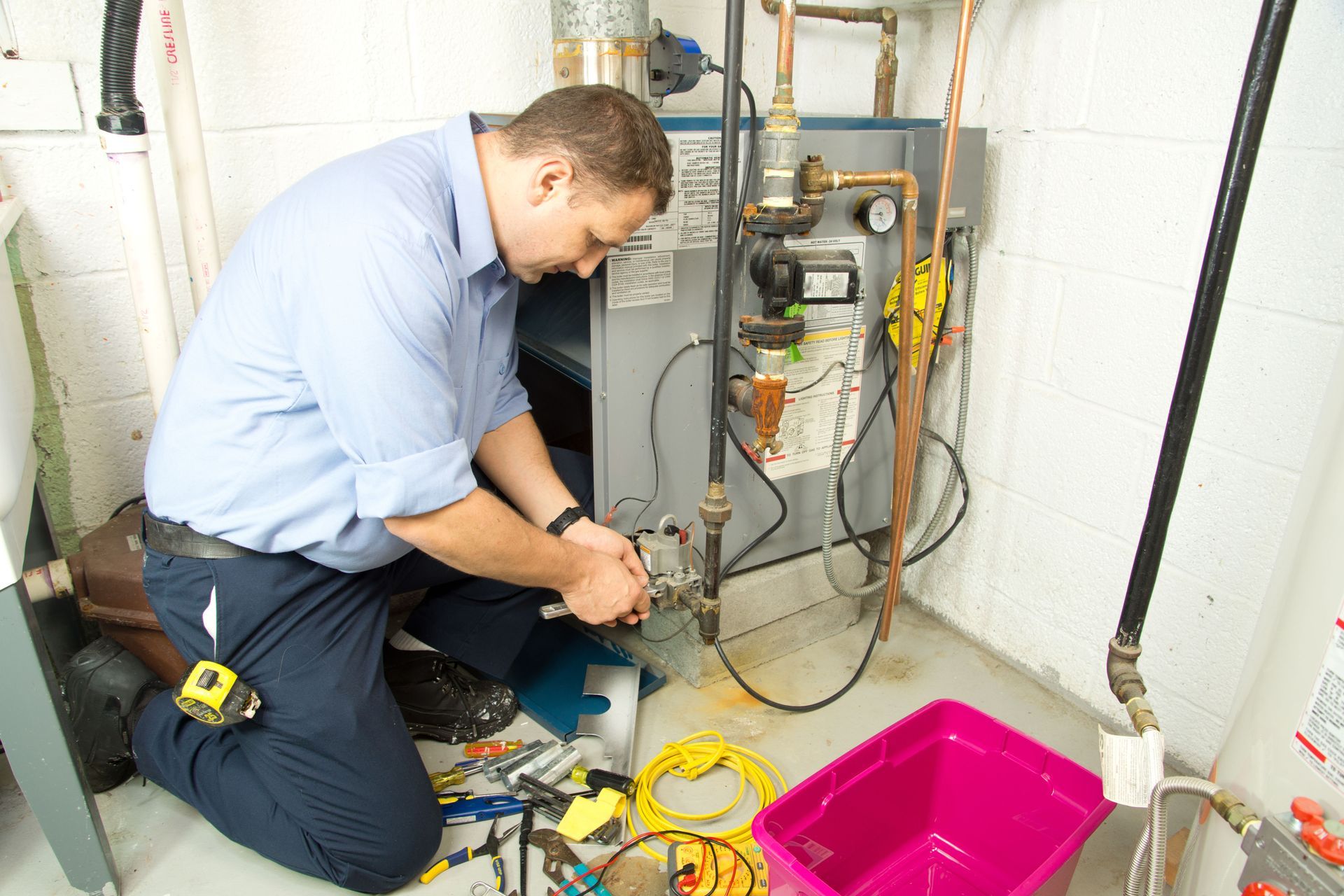
Although handyman businesses support many aspects of property maintenance, furnace diagnostics, fuel connections, combustion systems, and equipment replacement may require specialized licensing or qualifications. Recognizing these boundaries helps homeowners obtain appropriate service. A qualified HVAC contractor can evaluate technical concerns and recommend repairs or replacement consistent with applicable requirements.
Determining whether a furnace needs replacement involves reviewing age, heating performance, recurring failures, operating expenses, and safety concerns together. A single symptom rarely provides the complete answer. Professional evaluation can clarify whether repairs remain practical or whether a new system would better address the home's heating requirements.
If you're concerned about your property's condition or recurring maintenance issues, contact That Good Ole Handyman today. Our team can discuss your general property maintenance needs, identify visible concerns, and help you understand when specialized heating-system evaluation is appropriate.